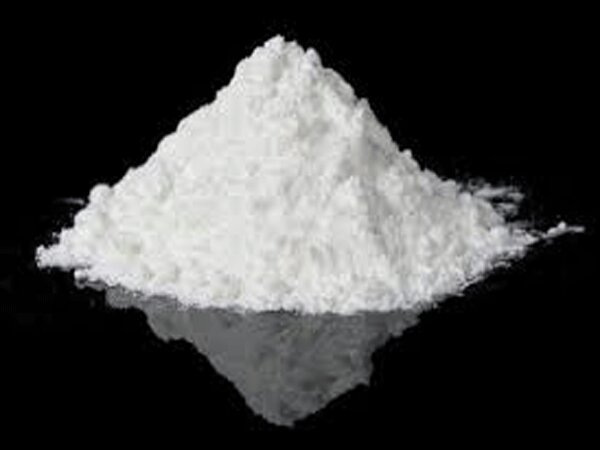
What is Bisphenol A
Bisphenol A (BPA), a colourless crystalline solid belonging to the family of organic compounds; its molecular formula is C15H16O2. BPA is best known for its use in the manufacture of polycarbonate plastics and epoxy resins, particularly those found in water bottles, baby bottles, and other beverage and food containers.
The estimated worldwide production of Bisphenol A (BPA) was 2.8 million tons in 2002. Approximately 90% of all BPA is used as an intermediate in the production of epoxy resins and polycarbonate plastics.
BPA was first synthesized in 1891, by Russian chemist Aleksandr P. Dianin, who combined phenol with acetone in the presence of an acid catalyst to produce the chemical. In the 1950s scientists discovered that the reaction of BPA with phosgene (carbonyl chloride) produced a clear hard resin known as polycarbonate, which became widely used in the manufacture of plastics.
Benefits of Bisphenol A
Products made from BPA meet high-performance demands. Epoxy resins made with BPA are tough and readily adhere to metal surfaces, making them excellent materials for protective coatings. Polycarbonate plastic made with BPA is shatter-resistant, lightweight, and has high optical clarity similar to glass.
Applications of Bisphenol A
Bisphenol A is a well-known synthetic chemical globally used to manufacture different polymers, including epoxy resins, polycarbonates, and other polymer materials. Polycarbonates and epoxy resins are prominent polymers in significant bisphenol applications. Some other uses of bisphenol A include the production of different resins (unsaturated polyester, polysulfone, polyetherimide, and polyacrylate). In 2015, global demand for polycarbonates and epoxy resins was 64 and 34%, respectively. Moreover, the rise in demand for these two polymers will be observed with an average annual rate of 3 and 4% for the next 5 years. Furthermore, in recent years, their applications extended to manufacturing optical and electronic materials. Plastic cups, bottles, bowls, food containers, and utensils used for microwaves are also synthesized with polymers.
Epoxy resins protect the can from the inside; therefore, they can be a considerable source for the adulteration of food items due to direct contact. The storage bottles are also layered with epoxy resins for a similar purpose. Nonetheless, epoxy resins are also successfully applied in the paint and ink industry. Beyond this, epoxy resins also have a well-established reputation in manufacturing thermal paper, compact discs (CD), and digital video discs. Whereas the derivate compounds from BPA are used in tickets and newspapers for antioxidants and stabilizers and, in the textiles industry, it is employed for infant socks preparation.
Polycarbonate Plastic
- Strong, shatter-resistant polycarbonate is used for helmets and protective sports visors to help protect children and athletes from injuries.
- Polycarbonate plastic also is used to make housings for electronic products such as cell phones and laptops, as well as optical discs such as CDs and DVDs. Because of its extreme durability and strength, polycarbonate plastic is particularly useful for making component parts that need to be thin and light, but strong.
- Polycarbonate plastic used in automobiles helps make cars lighter and more fuel-efficient while maintaining safety.
- Polycarbonate plastic provides the benefit of long-lasting transparency and durability in new, design-inspired LED lighting in vehicles.
Epoxy Resins
- Food cans and other metal containers may be coated with epoxy resin linings made with BPA to help prevent direct food contact with metal, which helps protect food from contamination and spoilage.
- High-performance epoxy resins are used to make aircraft, cars, bicycles, boats, golf clubs, skis and snowboards durable, flexible and strong.
- Durable and decorative floorings, such as terrazzo flooring, chip flooring and colored aggregate flooring, are made from epoxy resins.
Buy Bisphenol A
Tikochem Group is a sales agent and supplier of all types of Iranian Bisphenol A. Contact us to order, inquire about Bisphenol A prices and purchase Bisphenol A from Iran. We offer a wide range of chemicals and petrochemical available.
We are here to help and answer any questions you might have.
Phone Number: +968 7686 5655 / +98 903 650 8958
WhatsApp & Telegram: +968 7686 5655 / +98 903 650 8958
Email: Info@tikochem.com
Reviews
There are no reviews yet.