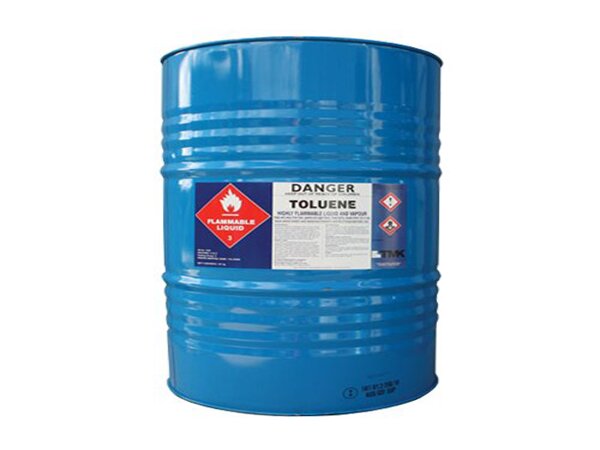
What is Toluene
Toluene is a clear colorless liquid. flammable, with a distinguishing aromatic odor. with C7H8 chemical formula, Could be found naturally in crude oil and Tolu tree. Also produced in the process of making gasoline and other fuels from crude oil, or making coke from coal. Vapors heavier than air. Toluene is used a solvent, aviation and automotive fuels, as a chemical intermediate in various industrial applications, and to make other chemicals like paints, paint thinners, fingernail polish, lacquers, adhesives, and rubber and in some printing and leather tanning processes. Toluene is soluble in alcohol, ethers, benzene bot not water. Less dense than water, hence foats in it. Toluene might be toxic by inhaling, touching and ingesting.
Toluene, also called methylbenzene or phenyl methane, is an aromatic hydrocarbon. The name Toluene is derived from the older name toluöl which refers to tolu extract, an aromatic extract that comes from a tropical tree: balsam of Peru. The name was coined by Swedish chemist Jöns Jacob Berzelius. Its synthesis was discovered by Rudolph Fittig. It is often used as a reagent or solvent, particularly in industrial settings. It dissolves a large number of oils, fats, or resins (natural or synthetic).
Under normal conditions, it is a clear liquid with a characteristic odour, similar to that of paint thinners or of benzene.
this material is typically used in the production of paints, rubber, lacquers, glues and adhesives to help dry, dissolve and thin other substances. It is also used in the production process to make other chemicals, including benzene, nylon, plastics, and polyurethane and in the synthesis of trinitrotoluene, benzoic acid, benzoyl chloride and Toluene diisocyanate.
this material has been used as an ingredient in nail polish removers to help dissolve other substances such as resins and plasticizers. It has also been used in the formulation of nail products to enable nail polishes, hardeners and lacquers to be applied smoothly.
this material is a gasoline additive that can be used to improve octane ratings for fuel used in race cars and other automobiles. The higher the octane number or rating, the greater the fuel’s resistance to knocking or pinging during combustion. this material is used in these applications because it is dense and contains significant energy per unit of volume, which enhances power generation for vehicles.
Toluene can evaporate out of common household products such as glues, paints and paint thinners, and adhesives into air that is inhaled. Exposure to Toluene in consumer products can be reduced by using these products in well-ventilated areas and closely following all label warnings and instructions.
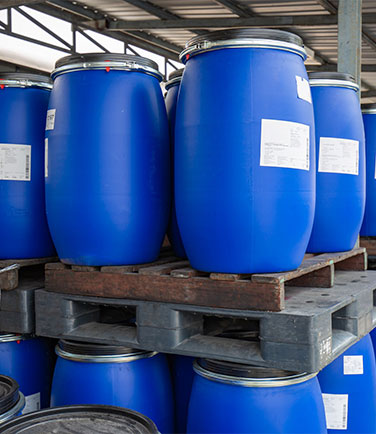
Application of Toluene
Toluene, aromatic hydrocarbon used extensively as starting material for the manufacture of industrial chemicals. It comprises 15–20 percent of coal-tar light oil and is a minor constituent of petroleum. Both sources provide Toluene for commercial use, but larger amounts are made by catalytic reforming of petroleum naphtha. The compound is used in the synthesis of trinitrotoluene (TNT), benzoic acid, saccharin, dyes, photographic chemicals, and pharmaceuticals. It is also used as a solvent and antiknock additive for aviation gasoline.
The major use of toluene is as a mixture added to gasoline to improve octane ratings. this material is also used to produce benzene and as a solvent in paints, coatings, synthetic fragrances, adhesives, inks, and cleaning agents.
this material is also used in the production of polymers used to make nylon, plastic soda bottles, and polyurethanes and for pharmaceuticals, dyes, cosmetic nail products, and the synthesis of organic chemicals.
Industrial Uses
Toluene is typically used in the production of paints, rubber, lacquers, glues and adhesives because it can help dry, dissolve and thin other substances. It is used in the production process to make other chemicals, including benzene, nylon, plastics, and polyurethane and in the synthesis of trinitrotoluene (TNT), benzoic acid, benzoyl chloride and toluene diisocyanate.
Personal Care Products
this material has been used as an ingredient in nail polish removers, due to its ability to help dissolve other substances, such as resins and plasticizers. It has also been used in the formulation of nail products to enable nail polishes, hardeners and lacquers to be applied smoothly.
Transportation
This chemical is produced in the manufacturing of gasoline, and it is also a gasoline additive that can be used to improve octane ratings for fuel used in race cars and other automobiles. The higher the octane number or rating, the greater the fuel’s resistance to knocking or pinging during combustion. this material is used in these applications because it is dense and contains significant energy per unit of volume, which enhances power generation for vehicles.
- To raise the octane rating of fuel, mixed with benzene and xylenes.
- As an extraction solvent in the cosmetic industry (perfume) and in the pharmaco-chemical industry.
- As a solvent or manufacturing element for paint, varnish, lacquer, wax and ink (printing, etc.).
- As a starting material for several industrial processes: synthesis of rubber, phenol, TNT, toluene diisocyanate (TDI).
- To manufacture adhesives and glues.
- In leather tanning.
- As a coating booster used by some table tennis players (despite being prohibited).
Safety Information
This chemical can evaporate out of common household products, such as glues, paints and paint thinners, adhesives, synthetic fragrances and nail polish, into air that is inhaled. Exposure to Toluene in consumer products can be reduced by using these products in well-ventilated areas and closely following all label warnings and instructions.
Hazard
This chemical is added to gasoline, used to produce benzene, and used as a solvent. Exposure to toluene may occur from breathing ambient or indoor air affected by such sources. The central nervous system (CNS) is the primary target organ for Toluene toxicity in both humans and animals for acute (short-term) and chronic (long-term) exposures. CNS dysfunction and narcosis have been frequently observed in humans acutely exposed to elevated airborne levels of toluene; symptoms include fatigue, sleepiness, headaches, and nausea. CNS depression has been reported to occur in chronic abusers exposed to high levels of toluene. Chronic inhalation exposure of humans to toluene also causes irritation of the upper respiratory tract and eyes, sore throat, dizziness, and headache. Human studies have reported developmental effects, such as CNS dysfunction, attention deficits, and minor craniofacial and limb anomalies, in the children of pregnant women exposed to high levels of toluene or mixed solvents by inhalation. EPA has concluded that that there is inadequate information to assess the carcinogenic potential of Toluene.
Buy Toluene
Tikochem Group is a sales agent and supplier of all types of Iranian Toluene. Contact us to order, inquire about Toluene prices and purchase Toluene from Iran. We offer a wide range of chemicals and petrochemical available.
We are here to help and answer any questions you might have.
Phone Number: +968 7686 5655 / +98 903 650 8958
WhatsApp & Telegram: +968 7686 5655 / +98 903 650 8958
Email: Info@tikochem.com
Reviews
There are no reviews yet.