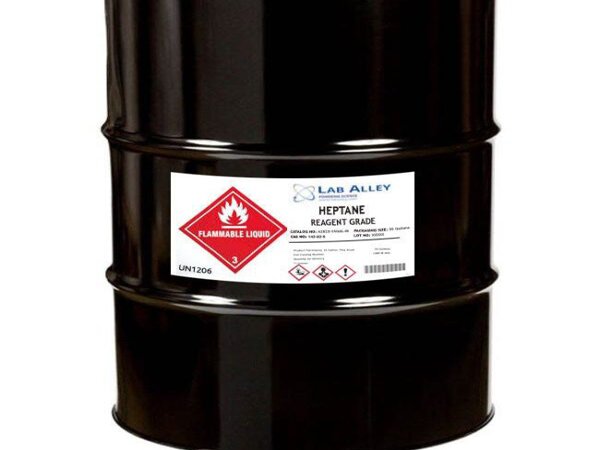
Heptane is a hydrocarbon type of alkane, which is a very good solvent for non-polar substances, fats and oils and does not dissolve in water.
Heptane is used in adhesive, Oil extraction-vagtable oil extraction, paint and resin industries.
What is Heptane?
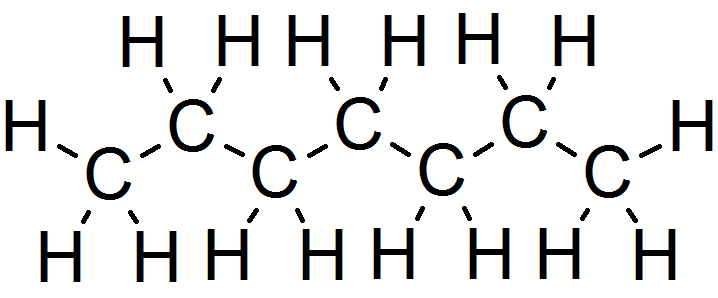
Heptane is a flammable, volatile, organic, straight-chain alkane of seven carbon atoms. Available in a range of quantities, purities, and reagent grades, heptane is a commonly used non-polar solvent and a key component in gasoline.
Heptane, is a type of hydrocarbon. A hydrocarbon is simply a molecule that is composed of carbon atoms and hydrogen atoms. Heptane is composed of seven carbons bonded together with single covalent bonds and has sixteen hydrogen atoms branching off of those seven carbon atoms. Because heptane only has single
covalent bonds in its structure, it is an alkane.
Like all alkanes (paraffins, saturated hydrocarbons), n-heptane is a very good solvent for non-polar substances, fats and oils. Especially in the pharmaceutical industry, it is used as an inert solvent, for purification, recrystallization and washing of active pharmaceutical ingredients (API). Some synthetic rubbers such as polybutadiene are produced in solution. Since n-heptane is chemically inert (it has no so-called functionality or functional group), it is an ideal solvent for this sensitive reaction.
Heptane has a low density; it evaporates slowly, is nonpolar, so it does not mix with water (insoluble with water), is toxic, and is very flammable. At room temperature, heptane exists as a colorless liquid. Heptane is made through a process of petroleum refinery. Crude oil is taken, and through refinery and distillation, heptane is produced.
Heptane is found in crude oil and natural gas. It is an important component to gasoline because the level of heptane helps to determine the octane rating scale. Octane ratings fall into three main categories in the United States: regular, midgrade, and premium. These ratings are determined by the level of heptane in the fuel. If the heptane level is higher, the better it is for the car’s engine.
Applications of Heptane
- In a chemistry lab, heptane is typically just used as a solvent. But in the industrial world, heptane can be used in rubber cement, paints and adhesives, and even in the fingerprinting process.
- Heavy greases or oils can be diluted with parafins such as n-heptane to facilitate application. It is also found as a component in paints, varnishes and adhesives.
- The extraction and purification of the currently popular natural substance CBD (cannabidiol) is mainly carried out with n-heptane.
- Non-polar solvent
- Primary Reference Fuel, RON = 0
- Production of API (Active Pharmaceutical Ingredients)
- in various adhesives and primers, as well as in several automobile cleaning products
Human Health Effects
Consumer: Consumers are primarily exposed to heptane through inhalation of products using heptane as a volatile solvent, as well as through gasoline fumes. When used as directed in a well-ventilated area, consumer exposure to heptane from these adhesives is not anticipated to be harmful. Use of heptane-containing products in an unventilated area may lead to neurological impairment including giddiness, dizziness, nausea, and headache. Heptane may also cause lung damage if it is swallowed and enters the airways.
Worker: Exposure to heptane in an industrial setting primarily presents an inhalation concern. While heptane is irritating to the skin, its primary toxic effect is on the nervous system. Failure to use adequate ventilation may result in neurological impairment.
Environmental Effects
When heptane released into the environment, heptane rapidly evaporates, and does not remain in soil or water in high concentrations. The heptane vapor will react in the atmosphere with a predicted half life of less than two days. As heptane is not expected to persist in the environment, only acute exposures will potentially cause environmental harm
Buy heptane
Tikochem Group is a sales agent and supplier of all types of Iranian heptane. Contact us to order, inquire about heptane prices and purchase heptane from Iran. We offer a wide range of chemicals and petrochemical available.
We are here to help and answer any questions you might have.
We look forward to hearing from you.
Phone Number: +968 7686 5655 / +98 903 650 8958
WhatsApp & Telegram: +968 7686 5655 / +98 903 650 8958
Email: Info@tikochem.com
Reviews
There are no reviews yet.